
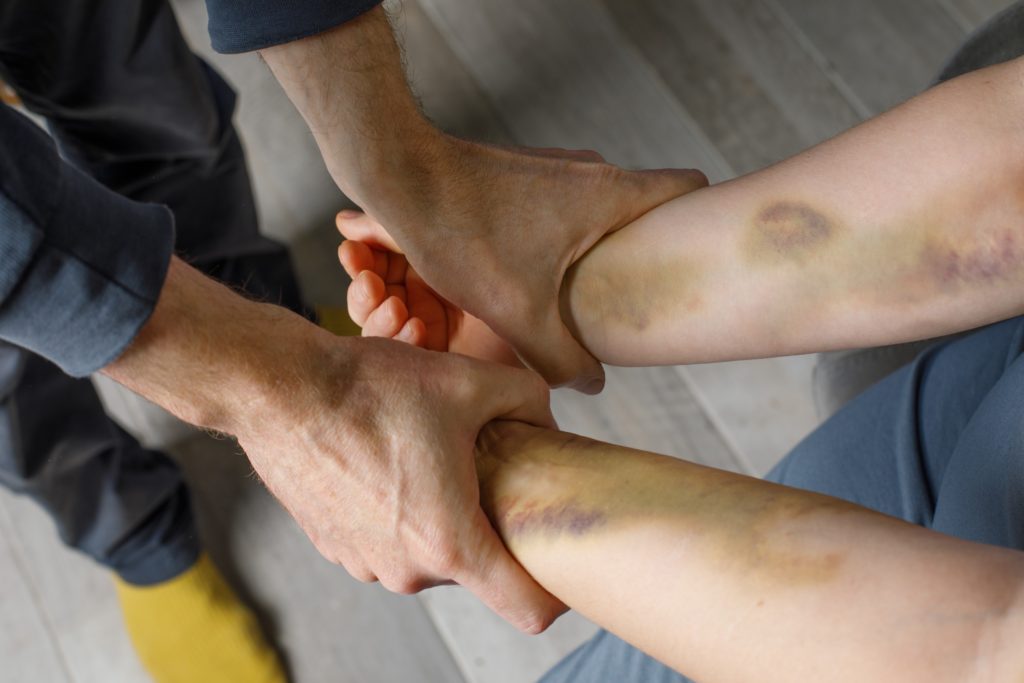
Being charged with enabling child abuse by injury is one of the most serious criminal accusations a person can face in Oklahoma. These cases often involve allegations that a parent, guardian, caregiver, or other responsible adult allowed a child to be abused or failed to protect a child from known abuse. Many people are shocked to discover that they can face felony charges even though they are not accused of personally injuring the child.
To see this article as a video, click here.
The Investigation Usually Begins Before Charges Are Filed
Most enabling child abuse cases begin with an investigation by law enforcement, the Oklahoma Department of Human Services (DHS), medical personnel, or a combination of all three.
The investigation may start after:
- A child is treated at a hospital;
- A teacher reports suspected abuse;
- A neighbor makes a report;
- A family member contacts authorities;
- DHS receives a complaint.
Investigators often interview witnesses, review medical records, obtain photographs, conduct forensic interviews, and gather statements from parents and caregivers. By the time charges are filed, prosecutors frequently have already spent considerable time building their case.
You May Face Charges Even If You Did Not Personally Injure the Child
One of the most misunderstood aspects of enabling child abuse cases is that the State does not necessarily have to prove you physically harmed the child.
Instead, prosecutors often allege that the accused:
- Knew abuse was occurring;
- Should have known abuse was occurring;
- Failed to protect the child;
- Allowed the child to remain in a dangerous environment;
- Permitted another person to abuse the child.
As a result, many defendants are charged based upon their alleged failure to act rather than direct physical conduct.
Expect DHS Involvement
In many cases, criminal charges are only one part of the problem. DHS frequently becomes involved at the same time.
Depending on the circumstances, DHS may:
- Remove children from the home;
- Seek emergency custody orders;
- Open a deprived juvenile case;
- Restrict visitation;
- Recommend services or evaluations.
Parents often find themselves fighting both a criminal case and a juvenile court case simultaneously.
Because statements made in one proceeding may affect the other, it is extremely important to proceed carefully.
Medical Evidence Often Plays a Major Role
Child abuse prosecutions frequently rely on medical experts. Physicians, pediatric specialists, radiologists, and forensic experts may be asked to testify regarding the nature and cause of a child’s injuries.
The prosecution may attempt to use:
- Hospital records;
- X-rays;
- Photographs;
- Expert medical opinions;
- Forensic interviews;
- Witness statements.
Because medical evidence often forms the foundation of the State’s case, careful review by the defense is essential.
In some situations, injuries initially believed to result from abuse may have alternative explanations.
The Penalties Can Be Severe
Enabling child abuse by injury is generally prosecuted as a felony offense in Oklahoma. A conviction can expose a defendant to significant prison time, substantial fines, lengthy supervision, and a permanent felony record.
The potential punishment often depends on:
- The severity of the child’s injuries;
- The age of the child;
- The defendant’s criminal history;
- Whether the alleged conduct was repeated;
- The specific facts of the case.
In addition to criminal penalties, a conviction may affect custody rights, visitation rights, professional licenses, firearm rights, and future employment opportunities.
You May Be Subject to Bond Conditions
If you are arrested, the court may impose conditions of release while the case is pending.
These conditions sometimes include:
- No contact with certain individuals;
- Restrictions on contact with children;
- Travel limitations;
- Drug or alcohol testing;
- Compliance with DHS requirements.
Violating release conditions can create additional legal problems and may result in the revocation of bond.
The State Must Still Prove Its Case
Although these allegations are serious, being charged does not mean you are guilty.
The prosecution must prove every element of the offense beyond a reasonable doubt. In many cases, important questions arise regarding:
- Whether the defendant actually knew abuse was occurring;
- Whether the injuries resulted from abuse;
- Whether the defendant had responsibility for the child;
- Whether witnesses are credible;
- Whether the investigation was conducted properly.
These issues frequently become the focus of the defense.
Do Not Assume Cooperation Will End the Investigation
Many people believe that if they simply explain their side of the story, the case will go away. Unfortunately, statements made to law enforcement officers, DHS investigators, medical personnel, and forensic interviewers often become evidence in the prosecution.
Before discussing the allegations in detail with investigators, it is generally wise to consult with an attorney who can explain your rights and help protect your interests.
What may seem like an innocent explanation can sometimes be misunderstood or used against you later.
Claremore Criminal Defense Attorneys
Enabling child abuse by injury cases often involve multiple agencies, extensive investigations, complex medical evidence, and significant potential penalties. These cases are frequently among the most aggressively prosecuted criminal matters in Oklahoma. Because a conviction can affect your freedom, your family, and your future, anyone accused of enabling child abuse by injury should seek experienced criminal defense representation as early as possible. Get a free consultation with a Kania Law – Claremore Attorneys by calling 918-379-4862. You can also ask a criminal defense lawyer an online legal question by following this link.