
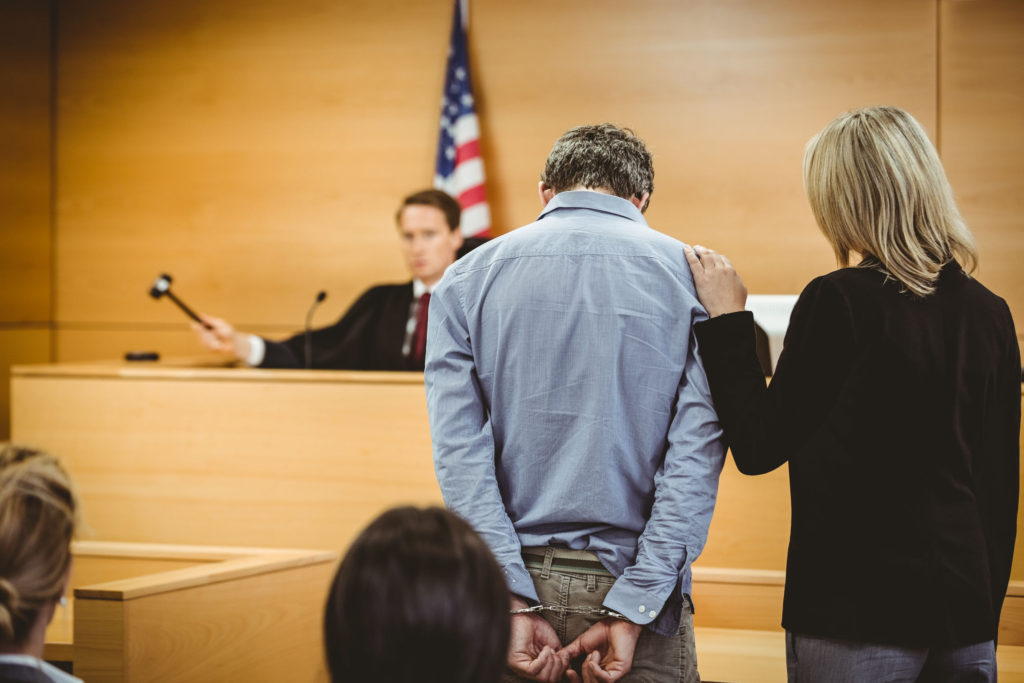
In Oklahoma criminal cases, one of the earliest and most important steps in the legal process is the preliminary hearing. This hearing takes place after a felony charge is filed and serves as a checkpoint to determine whether there is enough evidence for the case to proceed to trial.
Purpose of a Preliminary Hearing
A preliminary hearing is not a trial and does not determine guilt or innocence. Instead, its purpose is to decide whether the prosecution has presented enough evidence to show:
- A crime was committed.
- There is probable cause to believe the defendant committed it.
If the judge finds both conditions are met, the case will move forward to trial. If not, charges may be dismissed.
What Happens at the Hearing?
During a preliminary hearing:
- The prosecutor presents witnesses and evidence to support the charges.
- The defense attorney can cross-examine witnesses and present limited evidence or arguments.
- The judge reviews the evidence to determine if probable cause exists.
Unlike a trial, the standard of proof is much lower. The prosecutor does not need to prove the case beyond a reasonable doubt—only that there is enough evidence to justify a trial.
Rights of the Defendant
A defendant has the right to:
- Be present and represented by an attorney.
- Cross-examine the prosecution’s witnesses.
- Present evidence (although many defense attorneys reserve their evidence for trial).
The hearing also provides an opportunity for the defense to evaluate the strength of the prosecution’s case, which can influence plea negotiations or trial strategies.
Can Charges Be Dismissed?
If the judge finds the evidence is insufficient, charges can be dismissed at this stage. However, prosecutors can sometimes refile charges if new evidence becomes available.
Claremore Criminal Defense Attorneys
A preliminary hearing is a key step in Oklahoma’s criminal justice system, designed to ensure that felony charges are supported by sufficient evidence before proceeding to trial. It is not about guilt or innocence but about whether the case should move forward. For a free consultation with an attorney at Claremore Attorneys, call 918-379-4872. Or you can click here to ask a free online legal question.